The Go-To Checklist for Hiring a Reliable Roofing Contractor
Choosing the right roofing contractor is a major decision that can dramatically impact the integrity of a home. A reliable contractor maintains quality workmanship and long-lasting results. However, many homeowners overlook essential steps in the selection process. Understanding how to verify credentials, compare quotes, and spot potential red flags is important. Without this knowledge, one might find themselves facing costly repairs down the line. What factors should be prioritized in this helpful checklist?
Why Your Choice of Roofing Contractor Can Affect Your Home
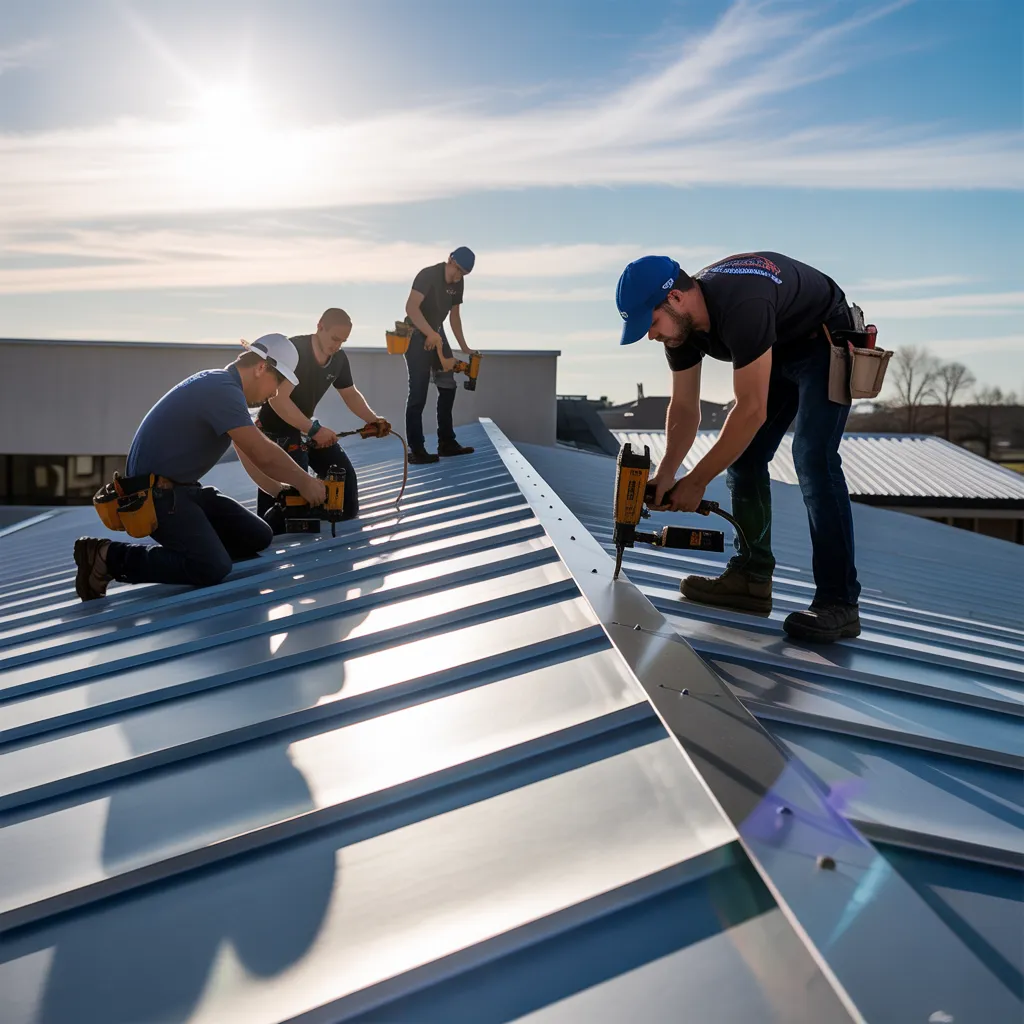
The choice of a roofing contractor can greatly impact the integrity and longevity of a home. A skilled contractor guarantees that roofing materials are properly selected and expertly installed, safeguarding against leaks and structural damage over time. Conversely, a poorly chosen contractor may cut corners, using substandard materials or improper techniques, leading to frequent repairs and increased costs.
The expertise of a contractor also plays a vital role in handling local building codes and regulations, which can prevent legal issues down the line. In addition, a reputable contractor often provides warranties, offering homeowners peace of mind regarding future repairs. Additionally, the contractor's experience can influence the project's timeline and overall efficiency. Ultimately, selecting the right roofing contractor not only protects a home from immediate weather-related challenges but also contributes to its long-term value and durability, making it a decision of utmost importance for homeowners.
Reviewing Contractor Credentials and Licenses
Verifying a roofing contractor's credentials and licenses is important for ensuring quality work and compliance with local regulations. Homeowners should check the validity of the contractor's license, confirm adequate insurance coverage, and review any relevant certifications or training. These steps help minimize risks and provide peace of mind during the roofing project.
Check License Validity
Verifying a roofing contractor possesses the proper licenses is important for any homeowner. A valid license indicates that the contractor has met specific industry standards and regulatory requirements, which can vary by state or locality. Homeowners should check that the contractor’s license is current and look for any disciplinary actions or violations. This can often be done through state licensing boards or local authorities.
Additionally, it is wise to confirm that the license covers the type of roofing work needed, whether it's installation, repair, or specialized materials. By conducting this verification, homeowners can protect themselves from potential liabilities and confirm that they are hiring a qualified professional capable of delivering quality workmanship.
Verify Insurance Coverage
Confirming insurance coverage is a crucial step in the hiring process for a roofing contractor. A reputable contractor should carry both general liability and workers’ compensation insurance. General liability insurance protects homeowners from potential damages that may occur during the roofing project, while workers’ compensation ensures that any injuries sustained by workers on the job are covered.
It is vital for homeowners to request proof of these insurance policies and verify their validity with the insurance provider. This step not only protects the homeowner financially but also demonstrates the contractor's commitment to operating responsibly. Failure to confirm insurance coverage can result in major liabilities, making this verification a required part of the hiring process.
Review Certifications and Training
After confirming insurance coverage, the next critical step involves reviewing the certifications and training of potential roofing contractors. This process ensures that the contractor possesses the necessary qualifications to perform the work safely and effectively. Key certifications, such as those from the National Roofing Contractors Association or manufacturer-specific training, indicate a commitment to industry standards and best practices.
Additionally, verifying state and local licenses is necessary, as these credentials demonstrate compliance with legal requirements. Contractors should also provide evidence of ongoing education, reflecting their dedication to staying current with roofing technologies and techniques. By thoroughly evaluating these credentials, homeowners can make informed decisions and select a reliable contractor capable of delivering dependable roofing services.
Checking Key Experience and Specializations
When selecting a roofing contractor, it is important to prioritize their key experience and specializations, as these factors directly impact the quality of work. A contractor with extensive experience in roofing projects similar to the one in question is more likely to understand the specific challenges and requirements involved.
Specializations, such as expertise in different roofing materials or systems, can also play a critical role in guaranteeing a successful outcome. For instance, a contractor who specializes in flat roofing may not be the best choice for a traditional pitched roof.
Additionally, reviewing past projects and client testimonials can provide insight into their reliability and craftsmanship. Contractors who have handled various roofing types, including residential and commercial, often bring a broader skill set. Ultimately, selecting a contractor with the right experience and specializations provides that the roofing project is completed efficiently and to a high standard.
How to Compare Contractor Quotes Like a Professional
When comparing contractor quotes, it is important to clearly understand the scope of work each contractor proposes. Evaluating the material options offered can also impact the overall cost and quality of the project. By focusing on these elements, homeowners can make informed decisions that align with their needs and budget.
Evaluate Scope of Work
A thorough understanding of the scope of work is necessary for anyone comparing roofing contractor quotes. This encompasses the specific tasks each contractor will undertake, including removal of old roofing materials, installation processes, and any necessary repairs. By clearly defining the scope, clients can verify they are not overlooking important elements that could affect overall project costs.
Additionally, it is important to review the timeline for completion, as well as any warranties or guarantees offered. Discrepancies in the scope can lead to confusion and unanticipated expenses. As a result, comparing quotes based on well-defined scopes allows homeowners to make informed decisions, helping ensure they select a contractor who meets their specific needs while staying within budget.
Assess Material Options
Evaluating material options is critical for homeowners comparing contractor quotes, as the choice of roofing materials considerably impacts both durability and cost. Different materials, such as asphalt shingles, metal, and tile, offer varying levels of longevity, maintenance requirements, and aesthetic appeal.
Homeowners should consider local climate conditions, as certain materials perform better in specific environments. Additionally, energy efficiency ratings can influence long-term savings on utility bills. When comparing quotes, it’s important to guarantee that each contractor specifies the same materials to facilitate an accurate comparison.
Homeowners should also inquire about warranties and the lifespan of the materials used. Ultimately, understanding these factors enables homeowners to make informed decisions that align with their budget and long-term goals.
Understanding Roofing Warranties and Their Importance
Understanding roofing warranties is essential for homeowners, as these agreements provide essential protection and peace of mind. A warranty typically covers defects in materials and workmanship, ensuring that homeowners are not left financially exposed to unforeseen issues. There are primarily two types of warranties: manufacturer warranties, which cover materials, and workmanship warranties, which cover the installation process.
Homeowners should carefully review the terms of each warranty, noting coverage duration, exclusions, and transferability. The importance of understanding these details cannot be ignored. A reliable contractor will provide clear information about the warranties offered, along with guidance on filing claims should issues arise.
By grasping the nuances of roofing warranties, homeowners can make informed decisions that safeguard their investments, ultimately enhancing their overall satisfaction with the roofing project.
Key Questions to Ask Your Roofing Contractor During the Consultation
What key inquiries should homeowners consider during their consultation with a roofing contractor? First, they should ask about the contractor’s licensing and insurance. Valid licenses and extensive insurance protect both parties from potential liabilities. Homeowners should also inquire about the contractor’s experience and expertise with specific roofing materials and techniques relevant to their project.
Additionally, discussing the estimated timeline for completion is essential, as it helps set expectations. Homeowners should request detailed written estimates that outline materials, labor costs, and any potential additional expenses. Moreover, asking for references or examples of previous work can provide insight into the contractor’s reliability and quality.
Lastly, it’s important to understand the warranty details on both materials and labor. Clarity on these aspects provides homeowners make informed decisions and fosters a trusting relationship with their chosen contractor.
Red Flags When Hiring a Roofing Contractor
How can homeowners identify potential pitfalls when hiring a roofing contractor? Several red flags can help them discern unreliable contractors. To begin with, a lack of proper licensing and insurance raises important concerns about the contractor's legitimacy and accountability.
In addition, contractors who demand full payment upfront or offer unusually low estimates may be attempting to cut corners or engage in fraudulent practices. Another warning sign is poor communication; if a contractor is unresponsive or vague about project details, it may indicate a lack of professionalism.
Additionally, reluctance to provide references or a portfolio of previous work can reflect inadequacy in their skills or experience. Homeowners should also be cautious of high-pressure sales tactics, which often signal desperation or untrustworthiness. By being vigilant about J T Roofing & Remodeling LLC these red flags, homeowners can avoid costly mistakes and confirm they select a reliable roofing contractor for their project.
Frequently Asked Questions
How Long Does a Typical Roofing Project Take to Complete?
A typical roofing project generally takes between one to three weeks to complete, depending on factors such as the size of the roof, weather conditions, and the complexity of the installation or repair required.
What Payment Options Do Roofing Contractors Usually Offer?
Roofing contractors typically offer various payment options, including cash, credit cards, and financing plans. Some may also accept checks or payment through digital platforms, providing flexibility to accommodate different customer preferences and financial situations.
Are Roofing Contractors Insured Against Worker Injuries?
Roofing contractors typically carry insurance to protect against worker injuries. This coverage is vital for ensuring that any accidents on the job site do not financially burden the homeowner, safeguarding both parties during the project.
What Materials Do Roofing Contractors Recommend for My Climate?
Roofing contractors typically recommend materials like asphalt shingles for moderate climates, metal roofing for durability, and tiles for hot areas. They consider local weather patterns to guarantee optimal performance and longevity of the roofing system.
How Can I Maintain My Roof After Installation?
To maintain a roof after installation, regular inspections for damage, debris removal, and cleaning gutters are recommended. Addressing minor issues promptly helps prolong the roof's lifespan and guarantees peak performance in varying weather conditions.